

Media relations
Appearing in the media no longer automatically builds a reputation.
In an environment saturated with messages, media coverage has
increasingly less ability to establish a position on its own.
What sets an organisation apart is not how often it appears,
but whether each appearance reinforces a recognisable position.
Service
capabilities
We work with organisations that want their media presence to be part of an influence system, not an activity disconnected from the rest of their communication.
Media relations strategy
Defining the position the organisation wants to build in the public space, which conversations it wants to participate in and which it does not. Before managing media, you need to know where you speak from.
Media and journalist management
Sustained relationships with the media and journalists relevant to each organisation, based on editorial criteria and genuine relevance, not volume of contacts.
Content production for media
Organising media meetings
Organising and managing press conferences, journalist breakfasts and sector gatherings. Designed as positioning spaces, not relationship-building events.
Support in high-exposure situations
Preparation and management of interviews, statements and public appearances at moments of special relevance: launches, strategic announcements and situations of media pressure.
Coverage monitoring and interpretation
01
Strategic framework before managing media
We understand the organisation’s positioning, which territories belong to it and who its spokespeople are before contacting any journalist.
02
Relationships built on criteria, not frequency
Journalists turn to sources that have something to say, not to those that appear most often. We build relationships based on genuine relevance.
03
Integrated with the communication system
Media work is always connected to editorial content, spokesmanship and the organisation’s discourse. It is not a parallel channel.
What you get
Database of relevant media and journalists
Press releases, opinion pieces and briefing notes
Coverage reports and strategic interpretation
Spokesperson preparation for media appearances
Got a challenge in mind?
No need to have everything figured out. Tell us about the context and we’ll see if it makes sense to work together.
Real challenges

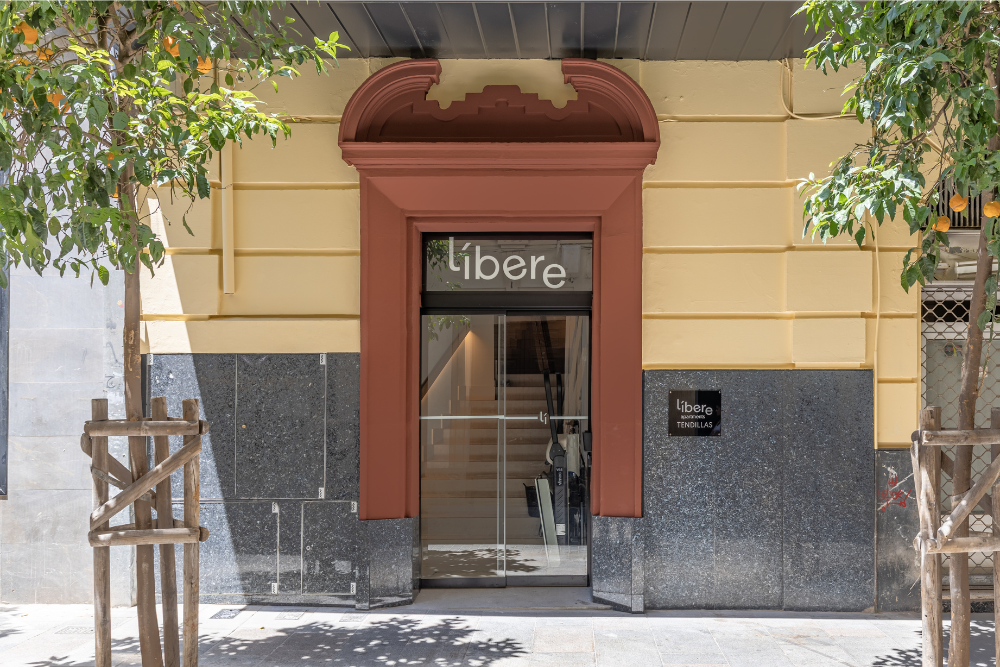
Líbere Hospitality Group

Go deeper
Sí. El mapa de medios relevantes incluye medios generalistas, sectoriales y digitales. No hay jerarquía fija: depende de dónde se construye la legitimidad en cada sector.
A conventional PR agency optimises for coverage: more placements, more media, more reach. We optimise for positioning: ensuring each appearance reinforces a recognisable position over time.
Does it make sense to work on media relations if we are relatively unknown?
Yes, but order matters. Before seeking coverage, it is worth being clear about what position you want to build. An organisation without a defined criteria that achieves coverage amplifies inconsistency, not positioning.
How do you measure the success of media relations?
Not solely by number of placements. We assess whether coverage reinforces the defined positioning territories and whether media presence accumulates into legitimacy or merely into isolated visibility.
Does media relations include digital and sector-specific media?
Yes. The map of relevant media includes generalist, sector-specific and digital outlets. There is no fixed hierarchy — it depends on where legitimacy is built in each sector.