
ACIDEKA
·
Development and implementation of a crisis communication manual for a leading company in the chemical sector
A project aimed at providing the tools and training needed to deal with potential crises for one of the leading national and European companies in the development of chemical products for various sectors, ranging from water treatment to the food and drink industry.
Preparing an industrial company to respond to any crisis situation
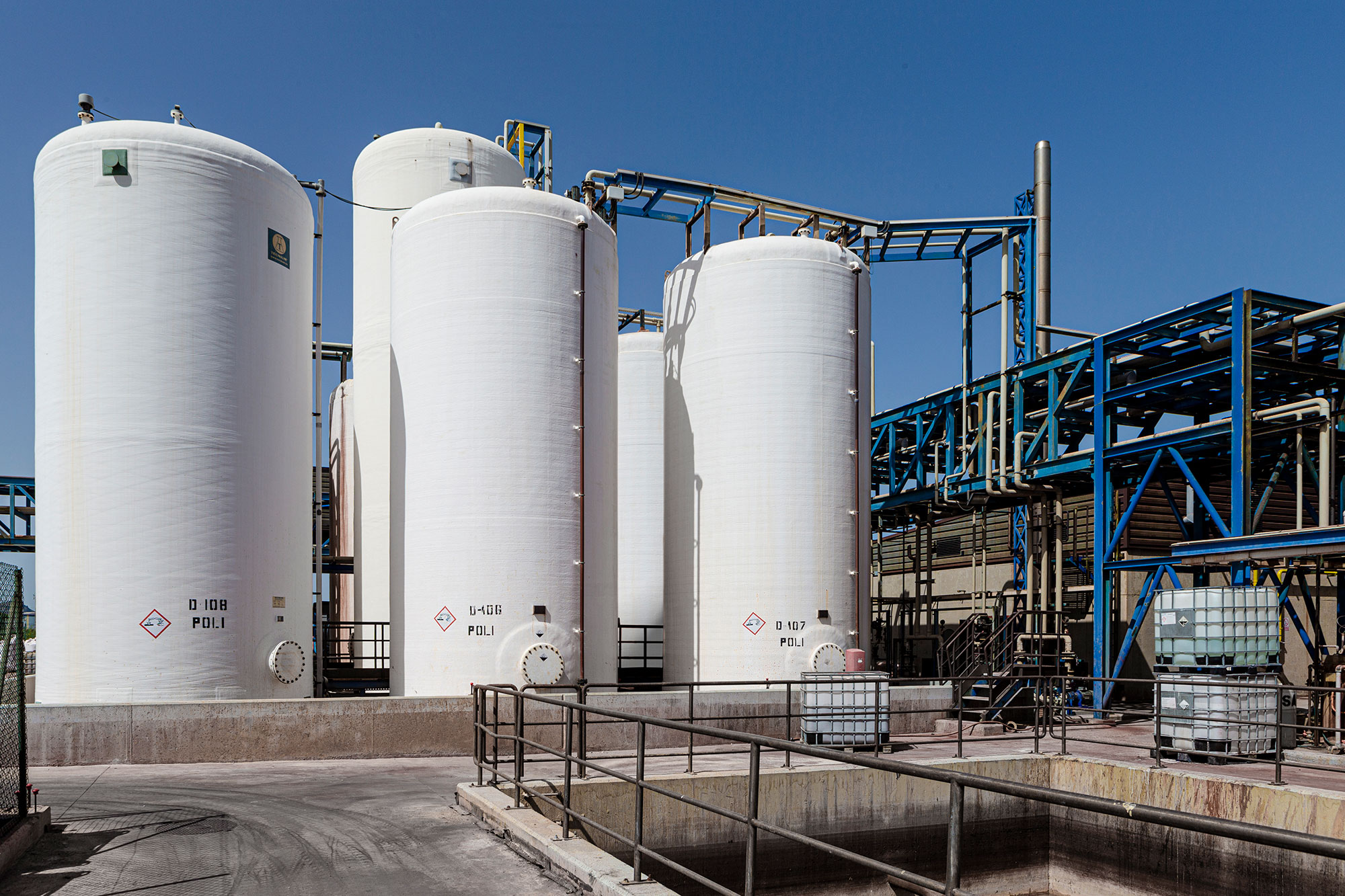
Acideka is one of Spain’s leading companies specialising in the development, manufacture and marketing of chemical products for sectors as diverse as water treatment, food and drink, the paper industry and industrial processes. As an organisation with industrial operations, multiple operational sites and high exposure to potential risks, it needed to establish a crisis communication system that would complement its emergency protocols with specific procedures for information management, media relations and the coordination of the various teams involved. The challenge lay not merely in drafting a manual, but in building a practical and operational tool that would enable rapid decision-making, reduce uncertainty and protect the company’s reputation in potentially critical scenarios.
In addition to defining processes and responsibilities, the project had to ensure that management teams were prepared to apply these protocols in real-life high-pressure situations. To this end, it was necessary to develop actionable materials (ranging from press release templates and media response guidelines to decision-making checklists), train the organisation’s spokespersons and establish a system for continuous updating and improvement to keep the manual aligned with the company’s development and the risks it faces.

The strategic decision was to develop a permanent crisis communication system, integrated into the company’s operations and aligned with its existing emergency protocols. Rather than limiting the project to the drafting of a theoretical or regulatory compliance document, a practical tool was designed to facilitate decision-making, coordinate the actions of the various teams involved, and ensure a rapid and coherent response to any risk scenario.
It was also decided to adopt a model based on continuous preparedness, combining clear procedures, ready-to-use materials and regular training for spokespersons and crisis management leads. This approach enabled the manual to evolve alongside the organisation through regular reviews, drills and working sessions designed to incorporate lessons learnt from real-life cases and adapt the protocols to new needs, as well as to changes in sector-specific regulations.
Conversely, the idea of producing a static manual focused exclusively on procedures or on relations with the media was ruled out. Instead, a comprehensive approach was adopted, covering the management of all stakeholders, internal coordination, the assessment of critical decisions and the preparation of teams called upon to act in high-pressure situations. This ensured that the tools designed could be applied effectively in real-life scenarios.
Comprehensive crisis communication plan
Development of the crisis communication manual: we designed and drafted a manual from scratch, tailored to Acideka’s operational reality, aligned with its emergency protocols and aimed at facilitating decision-making in critical situations. The document incorporated action procedures, a definition of responsibilities, approval workflows, and mechanisms for internal and external coordination.
Creation of operational tools: we produced a comprehensive set of materials for immediate use to reduce response times during a crisis, including press release templates, media response guidelines, talking points, messages for staff, and checklists for the assessment and approval of strategic decisions.
Training for spokespersons and the crisis committee: we delivered specific training sessions for the senior management team and those responsible for crisis management, covering areas such as media relations, communicating under pressure, managing interviews and conveying messages in high-profile situations.
Design and execution of drills: we organise and coordinate various practical exercises to test the defined procedures, assess the teams’ response capacity and identify opportunities for improvement in both protocols and internal coordination.
Continuous updating and improvement: we carried out regular reviews of the manual to incorporate lessons learnt from drills, organisational changes and the company’s new requirements, ensuring that the tool remained up to date and operationally useful over time.
Support and strategic advice: we held regular working meetings with the Communications Department and the project leads to analyse real-life situations, review risk scenarios and strengthen the organisation’s preparedness for potential contingencies.
Results
Incógnito developed a comprehensive communications manual for Acideka from scratch, in line with the company’s various emergency protocols, providing regular training to its management team, coordinating drills to test the materials, and offering consultancy in specific crisis situations.
“Having a crisis management manual was important, but what has really made the difference is equipping our teams with a clear methodology, tailored advice and the tools they need to act swiftly, in a coordinated manner and with confidence in any situation. Thanks to our collaboration with Incógnito, we are now better prepared to protect our people, our business and our reputation.”