
Corporate Event Management
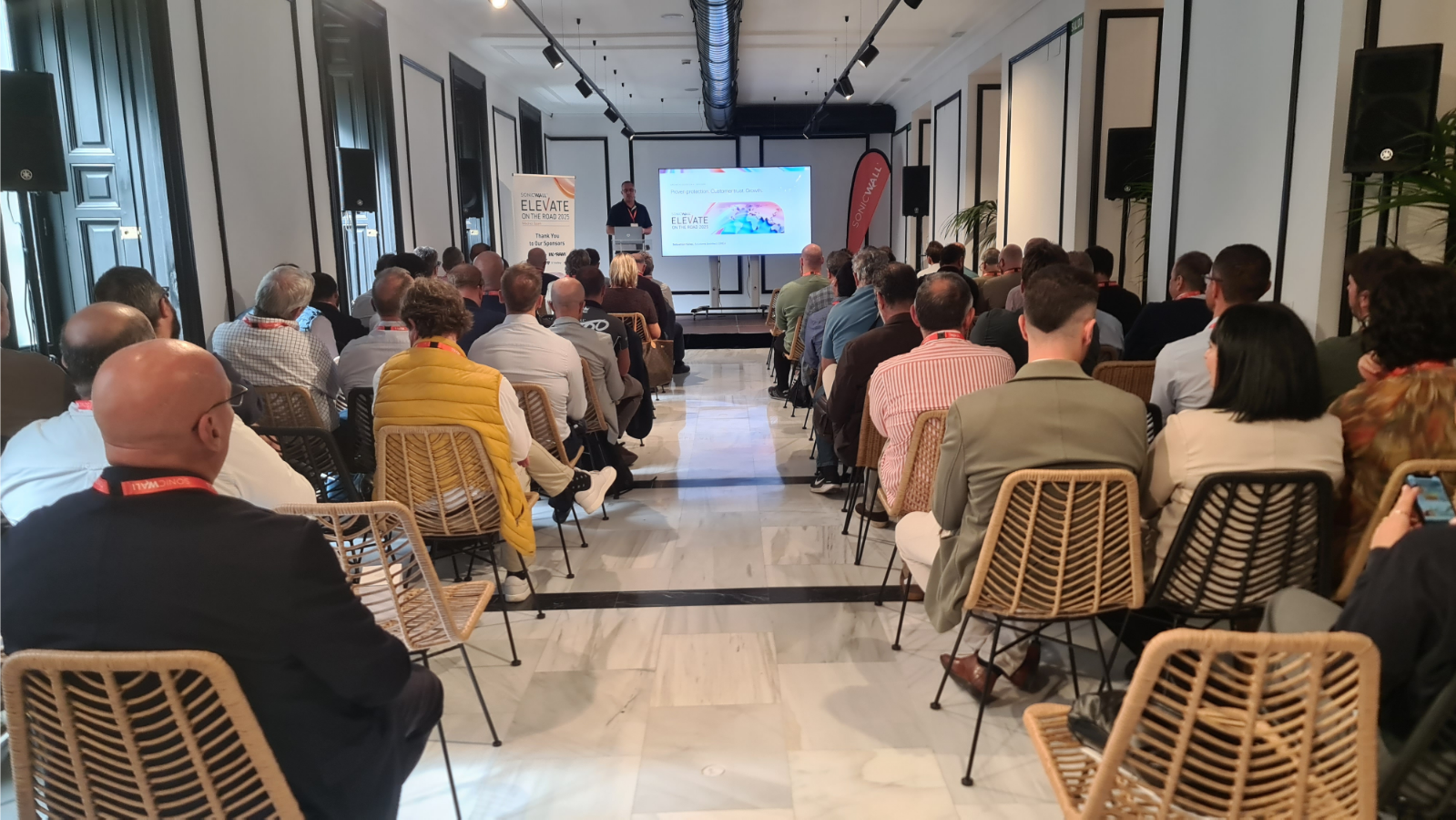
A corporate event is one of the few occasions when an organisation has complete control over the context in which it communicates.
When that opportunity is managed as strategic communication, the event builds positioning, strengthens relationships and creates an experience that sustains the organisation’s narrative over time.
Service
capabilities
We work with organisations that want their events to do both: run well and communicate well.
Event concept and strategy
Defining the communication objective before any production decision: what positioning it reinforces, what the attendee should think as they leave, and how it fits into the wider communication system.
Experience and content design
Full-service production
Event communication
01
Communication objective first
With that answer clear, all production and content decisions have a criterion. Size, format and budget come after.
02
Strategy and production integrated
The team that defines the message is the same team that oversees how it translates into the experience. We do not separate strategy from production because in an event that separation always shows.
What you get
and event narrative
Pre- and post-event communication materials
Got a challenge in mind?
No need to have everything figured out. Tell us about the context and we’ll see if it makes sense to work together.
Real challenges

Go deeper
What is the difference between a strategic event and a well-produced event?
A well-produced event runs without technical issues and creates a pleasant experience. A strategic event does all of that and also reinforces a position, builds a narrative and generates a concrete perception of the organisation in the attendee’s mind. The difference begins in how the objective is defined before any production decision is made.
Do you only work on large events or smaller formats too?
We work with any format when the communication objective justifies it. A well-designed breakfast with ten journalists can build more positioning than a five-hundred-person convention with no clear direction. Size does not determine strategic value.
Can you handle just the production if we already have the strategy defined?
Yes, although we prefer to be involved from the start. When we come in only for production, we can ensure the event runs well. When we are involved from the concept stage, we can ensure the event communicates.
Do digital or hybrid events receive the same strategic treatment?
Yes. The format — in-person, digital or hybrid — is a decision made after defining what you want to communicate and to whom. The strategic logic is the same regardless of format.